
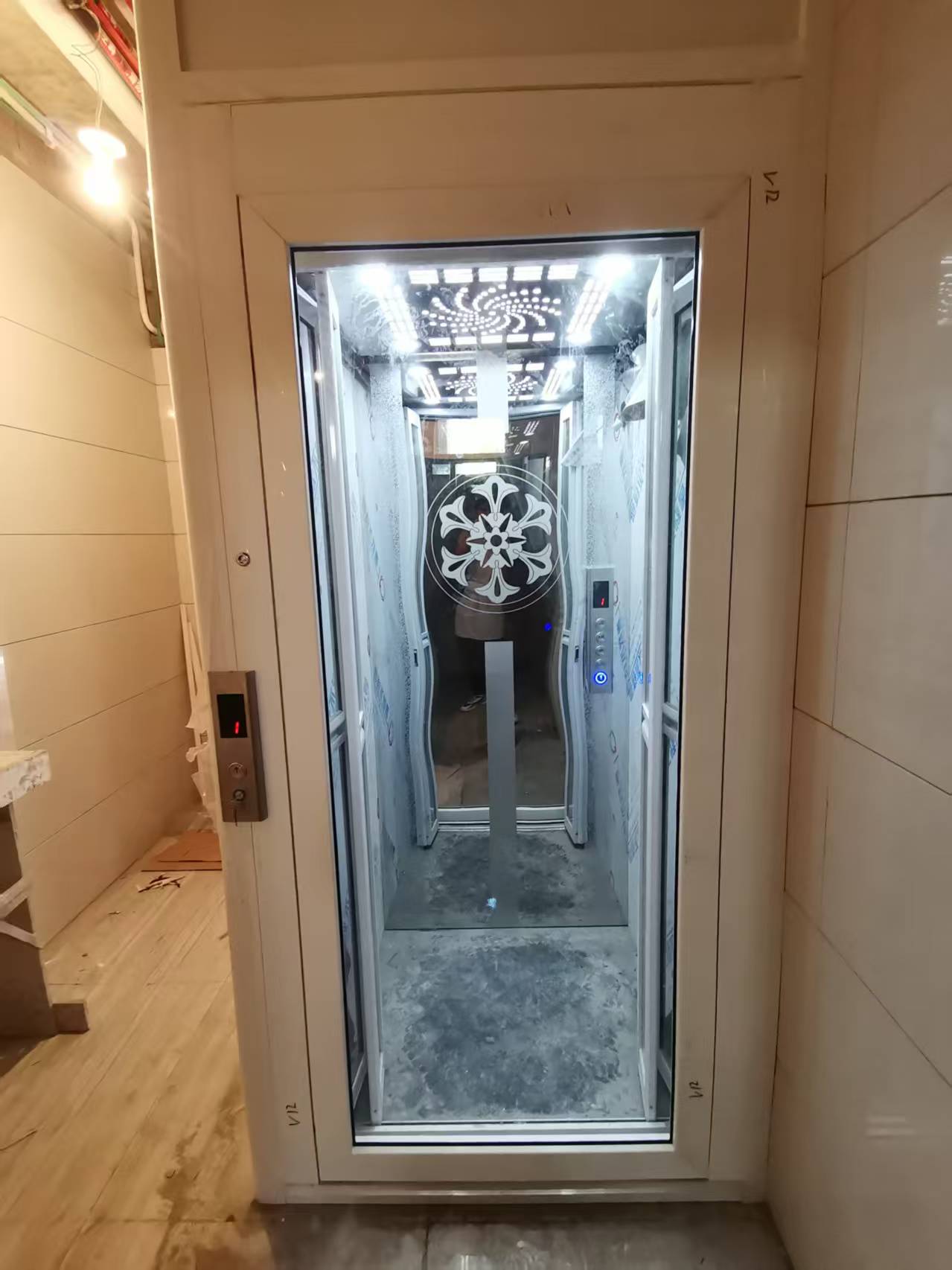
Products Description
Symphony of Luxury and Functionality: Design Aesthetics and Technological Innovation of High-End Villa Elevators
In the realm of luxury residential architecture, villa elevators have long transcended their basic role as "vertical transportation tools," evolving into extensions of spatial aesthetics, annotations of lifestyle, and even tangible expressions of status and taste. Their design must strike a delicate balance among safety, comfort, and artistry, infusing private mansions with the warmth of technology and the texture of luxury. The following explores this topic through design concepts, core elements, and cutting-edge trends.
I. Design Philosophy: From 'Function-First' to 'Scene Narrative'
1. Precise Control of Human-Centric Dimensions
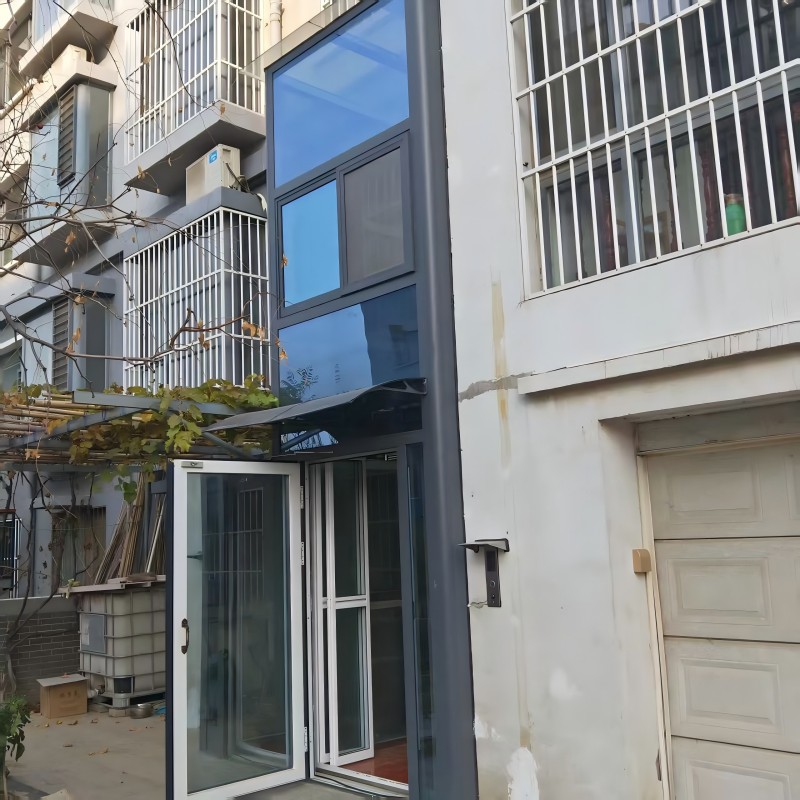
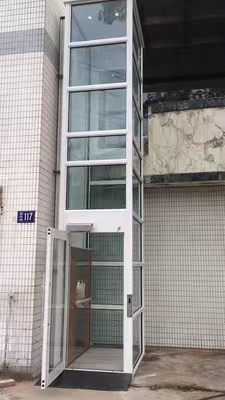
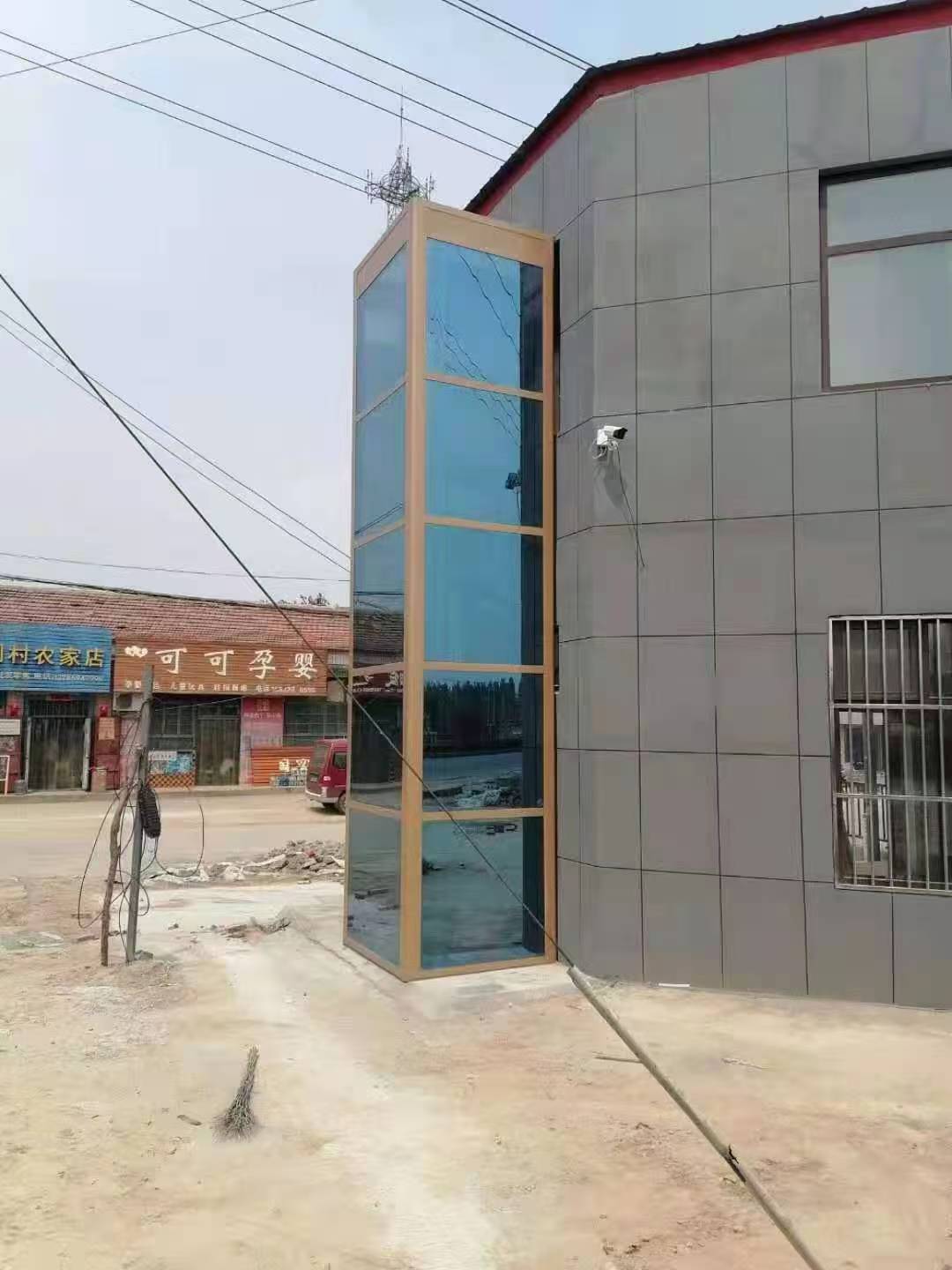
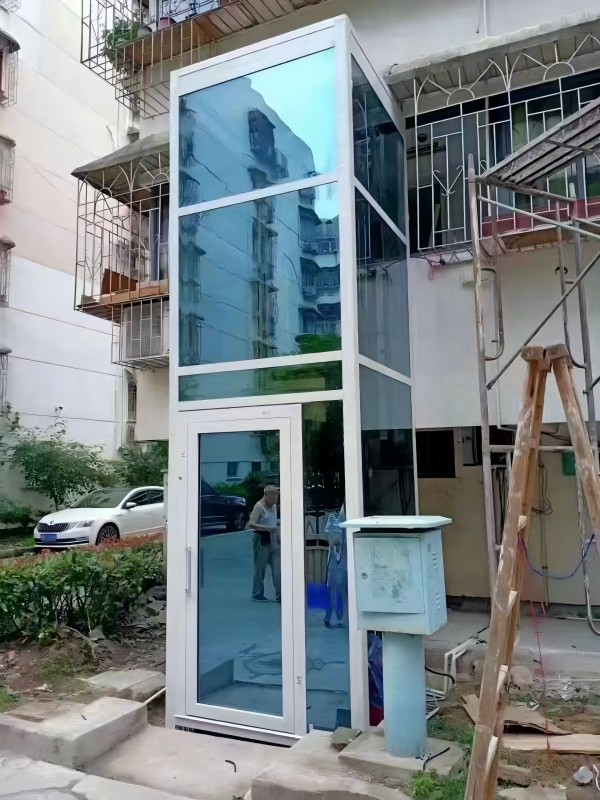
The core of a high-end villa elevator is "serving people." Carriage dimensions must accommodate special needs such as wheelchair access (e.g., depth ≥1.4 meters) and stretcher passage (width ≥1.1 meters), while also ensuring visual transparency—large-area tempered glass curtain walls or panoramic skylights are used to dispel the oppressive feeling of enclosed spaces. For example, the "Sky View" series by Jinan Leo (imported brand) features 270° curved glass paired with warm lighting, transforming the lifting process into a "moving viewing platform."
2. Deep Integration of Aesthetic Genes
Elevator design must harmonize with the villa’s overall style:
- Modern Minimalism: Matte metal brushed panels, hidden buttons, and frameless glass doors create a "stealthy technological vibe," such as Jinan Leo’s models with clean lines resembling art installations;
- European Classical Style: Cherry wood embossed护壁 (wall panels), crystal chandeliers, and bronze-textured operation panels are used, with customizable dome murals on the carriage ceiling to recreate the spatial etiquette of the Renaissance;
- Oriental Elegance Style: Bamboo weaving textures, etched glass with landscape motifs, and smart fragrance systems (e.g., sandalwood-scented aromatherapy) are integrated to create an immersive experience of "the elevator as a tea house."
3. Invisible Penetration of Smart Technology
High-end clientele pursue "tech-savviness" not through feature堆砌 (stacking), but through "silent convenience":
- Voice/Gesture Control: Operations like "summon elevator" or "go to the third floor" can be completed without touching the panel, suitable for scenarios where hands are full;
- Intelligent Prediction System: Learns residents’ schedules via AI to automatically park the elevator on frequently used floors at 8 AM and 6 PM, reducing waiting time;
- Privacy Protection Mode: Equipped with facial recognition, it automatically blocks irrelevant floor buttons for homeowners, while visitor mode restricts accessible areas.
II. Core Design Elements: Excellence in Details
1. The Philosophy of Luxury and Craftsmanship in Materials
- Carriage Finishes: Premium materials include Brazilian rosewood (unique natural texture, costing over 5,000 RMB per square meter), Italian hand-stitched leather upholstery (soft to the touch, scratch-resistant), and Swarovski crystal-inlaid panels (single panel cost exceeding 20,000 RMB);
- Operation System: Gearless permanent magnet synchronous traction machines are used, with noise controlled below 40 decibels (10 decibels better than national standards);
- Safety Features: Standard dual-circuit power supply, emergency oxygen supply, and in-car